
.png)
What Does Landscaping Cost in Wisconsin? A 2026 Planning Guide


If you are planning a patio, retaining wall, drainage improvement, new lawn, landscape beds, or a complete backyard transformation, one question usually comes first: What does landscaping cost in Wisconsin?
The honest answer is that professional landscaping does not have a reliable one-price-fits-all number. Two properties with the same square footage can require very different budgets because of slope, soil, drainage, access, materials, demolition, utilities, and the number of features being built. A quick online average cannot account for those conditions.
This guide explains the factors that shape landscaping cost in Wisconsin, where project dollars typically go, and how thoughtful design can help you invest in the right improvements from the beginning. If you already have a project in mind, request a free estimate and consultation from Midwest Landscaping, Inc.
What Determines Landscaping Cost in Wisconsin?
A professional quote should be based on the actual property and an agreed scope of work—not a generic price per yard. The following details have the greatest effect on the final investment.
Project size and scope
A focused project, such as refreshing landscape beds or adding a walkway, requires fewer materials and less labor than a complete outdoor living space with a patio, retaining walls, lighting, grading, drainage, and new plantings. Combining multiple improvements into one coordinated design can be more efficient than rebuilding the same area several times.
Site access
Wide, level access can allow crews and equipment to move materials efficiently. Narrow gates, steep slopes, fenced yards, limited staging space, or work behind an established home may require smaller equipment and additional labor.
Existing conditions and demolition
Removing failed concrete, old walls, overgrown vegetation, buried debris, or unsuitable soil adds work before construction begins. A site that appears simple at the surface may also need correction below grade.
Materials and finish level
Material choices influence both appearance and cost. Pavers, natural stone, wall systems, edging, lighting fixtures, plant sizes, decorative rock, and outdoor features are available at many price points. The goal is not simply to choose the least expensive material; it is to select materials suited to the design, expected use, maintenance preference, and Wisconsin weather.
Grading, drainage, and soil
Water must move safely away from buildings and finished spaces. Properties with standing water, erosion, steep grades, compacted soil, or poor drainage may need excavation, base correction, drain tile, swales, retaining walls, or other solutions. These improvements are often hidden when the project is complete, but they are essential to long-term performance.

The Biggest Cost Drivers in a Landscape Project
Most landscape budgets are shaped by several connected categories. Understanding them makes it easier to compare proposals and decide where to prioritize your investment.
Design and planning: Site evaluation, measurements, layout, material selections, construction details, and visualization.
Site preparation: Demolition, excavation, clearing, grading, soil correction, hauling, and disposal.
Base and structural work: Compacted aggregate, open-graded base, wall reinforcement, drainage, and foundations appropriate for the feature.
Materials: Pavers, concrete, natural stone, retaining wall units, plants, soil, mulch, lighting, and specialty products.
Labor and equipment: Skilled installation, excavation equipment, compaction tools, material handling, and jobsite management.
Access and logistics: Delivery distance, staging limitations, protection of existing property, and difficult terrain.
Finishing work: Fine grading, sod or seed, planting, cleanup, and restoration around the construction area.
For example, a paver patio or walkway is more than the visible surface. Excavation depth, base preparation, drainage, edge restraint, cuts, curves, borders, steps, and access can affect the completed price as much as the paver selection itself.
Where Should You Invest Your Landscaping Budget First?
Start with the work that protects the property and supports everything built above it. A practical order of priorities is:
Correct drainage and grading problems. Water moving toward a home, washing out soil, or collecting in low areas should be addressed before cosmetic improvements.
Build structural features correctly. Patios, driveways, steps, and retaining walls depend on proper excavation, base construction, drainage, and installation.
Create the circulation and gathering plan. Decide how people will move between the home, driveway, patio, pool, lawn, and other activity areas.
Add comfort and function. Seating areas, shade, fire features, outdoor lighting, and privacy can make the space more useful.
Finish with planting and lawn restoration. Landscape beds, trees, shrubs, perennials, sod, and seed tie the entire property together.
This order helps prevent a new bed or lawn from being disturbed later to install drainage, utilities, a wall, or a patio. It also creates a cohesive property instead of a collection of unrelated improvements.
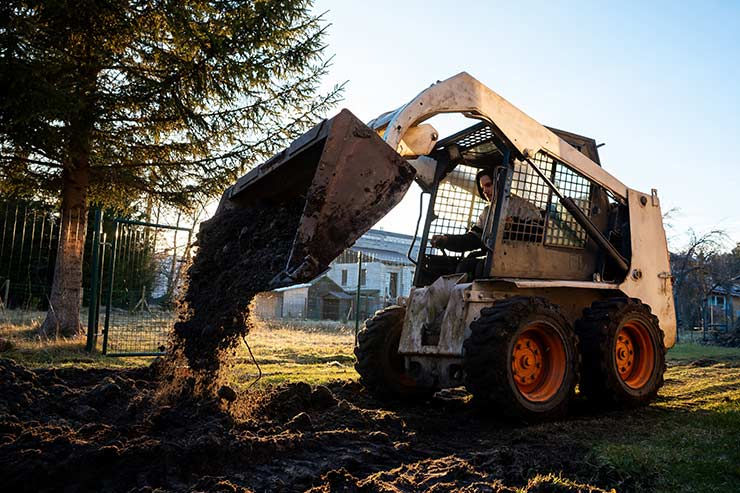
Why Site Preparation Matters in Wisconsin
Wisconsin landscapes must perform through rain, snow, frost, spring thaw, and repeated freeze-thaw cycles. Long-term quality depends heavily on work that disappears beneath the finished project.
Before building, a landscape professional may evaluate elevation changes, runoff patterns, soil, buried utilities, equipment access, and the condition of existing base materials. The University of Wisconsin–Madison Division of Extension explains that a soil test can evaluate nutrient levels, pH, and organic matter, which can help guide lawn and planting decisions.
Drainage should also be treated as part of the complete design. The Wisconsin Department of Natural Resources notes that properly located rain gardens can capture runoff and help filter water into the ground. A rain garden is not right for every site, but it is one example of how attractive landscaping and water management can work together.
If your yard has standing water, erosion, washed-out beds, or runoff near a building, review Midwest Landscaping’s drainage and irrigation services and grading and excavation services before investing in surface-level improvements.
How Design Can Control Cost Before Construction Begins
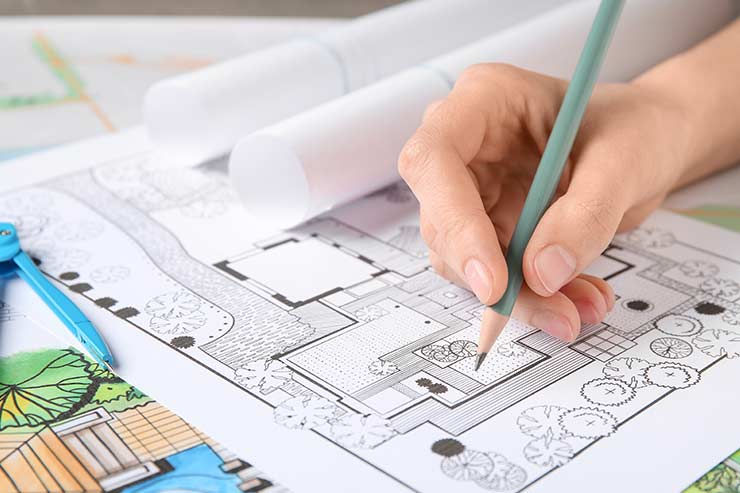
Good design is one of the most effective ways to control a landscape budget. It allows you to resolve layout decisions before crews, equipment, and materials arrive.
A coordinated plan can help answer questions such as:
How large should the patio or gathering space be?
Will furniture, a grill, or a fire feature fit comfortably?
Where should steps and walkways connect?
Does the slope require a retaining wall?
How will water move through and around the finished space?
Which features should be built now, and which can be phased later?
Where should conduit, sleeves, drainage, or utilities be placed before hardscape is installed?
Midwest Landscaping offers 3D landscape design renderings so property owners can better understand the proposed space before construction. For larger projects, visualization can reduce uncertainty, clarify selections, and help avoid expensive changes after installation begins.
How to Save on Landscaping Without Sacrificing Quality
Saving money should mean making the project more efficient—not removing the preparation that protects it. These strategies can help:
Set priorities before choosing materials
Decide what the space must accomplish. A clear list of must-haves, nice-to-haves, and future additions helps the designer allocate the budget where it produces the most value.
Use a master plan and build in phases
If the complete vision exceeds the current budget, plan the entire property first and install it in logical phases. Early work can account for future drainage, wiring, access, walls, and hardscape so completed areas do not need to be torn out later.
Keep the layout efficient
Complex curves, numerous elevation changes, intricate patterns, and many custom cuts can increase material waste and labor. A skilled designer can create visual interest without making every detail complicated.
Compare scope, not just the bottom line
A lower proposal may exclude excavation, drainage, base thickness, restoration, disposal, or other work included elsewhere. Compare the materials, quantities, preparation, installation method, and exclusions in writing.
Consider financing for a complete solution
Breaking a connected project into poorly timed pieces can create duplicated work. For qualified projects, landscaping financing options may make it easier to complete essential structural and functional elements together.
Questions to Ask Before Accepting a Landscaping Quote
A professional proposal should make it easier to understand what you are purchasing. Ask these questions before making a decision:
What preparation, excavation, and base work are included?
How will grading and drainage be handled?
Which materials, colors, sizes, or product lines are specified?
Are demolition, hauling, disposal, delivery, and restoration included?
What assumptions or exclusions could change the price?
Who is responsible for permits or approvals when required?
How will existing lawn, pavement, structures, and utilities be protected?
What is the expected project sequence and approximate timeline?
How are changes approved and priced?
Wisconsin law requires notification before excavation. Diggers Hotline states that homeowners and excavators must contact 811 before digging and allow the required time for utilities to be marked. Utility locating is an important safety step, but it does not replace careful site planning or identification of private lines.
Choose a Landscape Design-Build Team for the Complete Property
Projects become complicated when one contractor handles grading, another installs a patio, and someone else adds planting without a shared plan. A landscape design-build company can coordinate the work from the first site discussion through final installation.
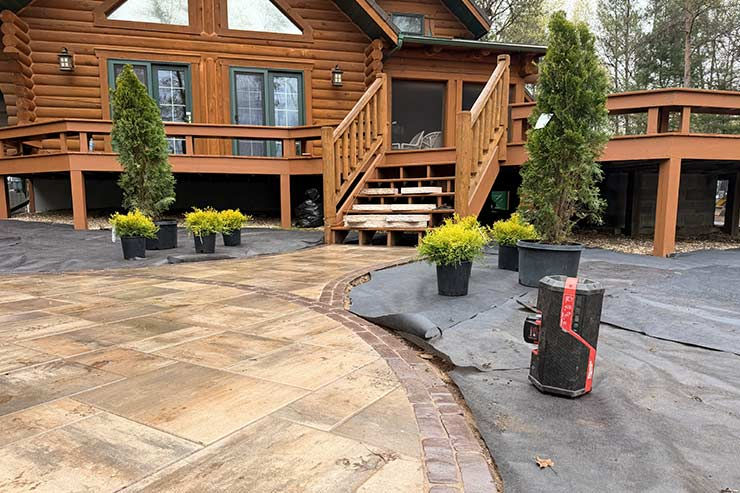
Midwest Landscaping, Inc. designs and builds outdoor living spaces, patios and walkways, retaining walls, drainage systems, landscape beds, lawns, lighting, pools, water features, driveways, and complete property transformations. You can review completed landscaping projects and explore the company’s full list of landscape design and build services.
Based in Cashton, Midwest Landscaping serves La Crosse, Onalaska, Sparta, Tomah, Viroqua, Westby, Holmen, West Salem, and many other communities within its primary service radius. Larger and specialty projects may be considered farther away. View the complete landscaping service area.
Ready to understand what your project will require? Request a free landscaping estimate and consultation or call 608-632-0909. Share your property location, goals, preferred features, photos, and desired timeline so the team can begin evaluating the right next step.
Frequently Asked Questions About Landscaping Cost in Wisconsin
How much does landscaping cost in Wisconsin?
Landscaping cost in Wisconsin varies by project scope, property conditions, access, grading, drainage, materials, labor, demolition, and finish level. An on-site consultation and written scope are more reliable than a generic online average.
What makes a landscaping project more expensive?
Large project areas, difficult access, steep slopes, demolition, poor soil, drainage correction, retaining walls, premium materials, complex patterns, and multiple outdoor features can increase the investment.
Can a landscaping project be completed in phases?
Yes. A complete master plan can divide construction into logical phases while accounting for future drainage, utilities, access, hardscape, lighting, and planting. Planning first helps reduce duplicated work later.
Is landscape design worth the cost?
Professional design can clarify the layout, material selections, elevations, drainage, construction sequence, and future phases before installation. For larger projects, this can reduce uncertainty and help prevent costly changes during construction.
Should drainage be fixed before installing a patio or new landscaping?
Yes. Grading and drainage concerns should be evaluated before installing patios, walls, beds, or lawns. Correcting water movement first helps protect the finished landscape and nearby structures.
What should a professional landscaping quote include?
A clear quote should define the project scope, materials, preparation, installation, drainage considerations, demolition, hauling, restoration, assumptions, exclusions, and the process for approving changes.
Does Midwest Landscaping offer free estimates and financing?
Midwest Landscaping offers free initial estimates and consultations. Financing options are also available for qualified larger landscaping and outdoor living projects.
If you have any further questions, you can call or email our team any time Monday-Saturday. Email us at Service@MWLandscapingInc.com or call (608) 632-0909.


