
.png)
Best Perennials for Landscaping in Southwest Wisconsin


Choosing the right perennials can make a major difference in the beauty, durability, and long-term performance of your landscape. In Southwest Wisconsin, plants need to handle changing seasons, cold winters, warm summers, heavy rains, dry stretches, and different soil conditions. The best perennial plants return year after year while adding color, texture, pollinator value, and curb appeal to your property.
At Midwest Landscaping, Inc., we help homeowners and property owners throughout Cashton, La Crosse, Sparta, Tomah, Viroqua, Westby, Onalaska, and surrounding Southwest Wisconsin communities choose plants that work well for the land, climate, and overall landscape design. Whether you are improving an existing landscape bed or planning a new outdoor space, the right perennials can create a beautiful, low-maintenance landscape that continues to improve with time.
Why Perennials Are a Smart Choice for Wisconsin Landscaping
Perennials are plants that come back year after year when properly selected and cared for. Unlike annual flowers that usually need to be replanted each season, perennials can become a long-term part of your landscape design. This makes them a smart investment for homeowners who want dependable color and structure without starting over every spring.
Well-chosen perennials can also help reduce maintenance over time. Once established, many hardy perennial plants develop stronger root systems, tolerate seasonal weather changes better, and require less replacement than short-term plantings. They can be used around patios, walkways, retaining walls, outdoor living spaces, landscape beds, and entryways to create a more complete and polished outdoor environment.

Best Perennials for Landscaping in Southwest Wisconsin
Best Perennials for Landscaping in Southwest Wisconsin that can tolerate cold winters, return reliably, and perform well through the growing season. When selecting plants, it is important to consider sunlight, soil drainage, mature size, bloom time, and how each plant fits into the overall design.
Black-Eyed Susans
Black-Eyed Susans are one of the most recognizable perennial flowers for Wisconsin landscapes. Their bright yellow petals and dark centers add strong summer color and work well in landscape beds, pollinator gardens, and naturalized areas. They are also a great choice for homeowners who want a bold, cheerful plant that can handle a wide range of growing conditions.
Coneflowers
Coneflowers are hardy, attractive perennials that perform well in sunny areas. They are known for their long bloom period, strong stems, and ability to attract pollinators. Coneflowers pair well with Black-Eyed Susans, ornamental grasses, salvia, and other sun-loving plants.
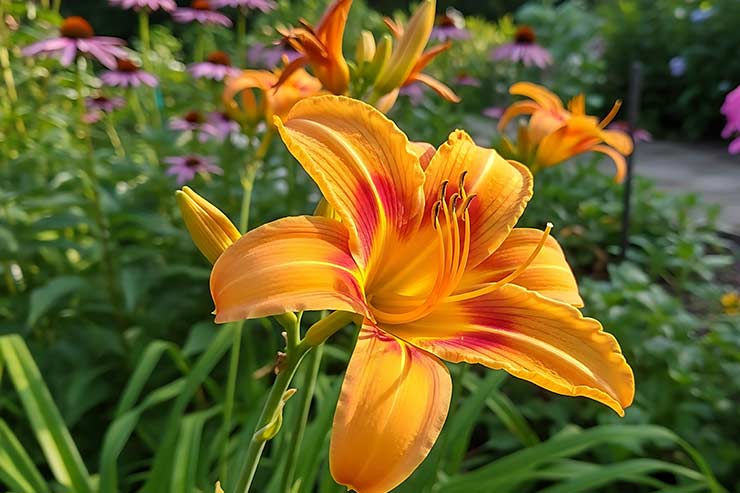
Daylilies
Daylilies are dependable perennials that add color and texture to landscape beds. They are often used along borders, walkways, driveways, and larger planting areas because they are tough, adaptable, and visually appealing. Once established, daylilies can provide reliable seasonal color with relatively simple care.
Hostas
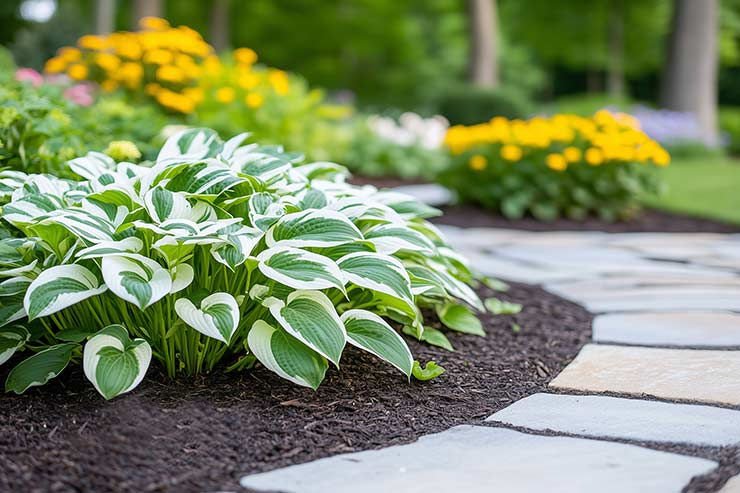
Hostas are a strong choice for shaded or partially shaded areas. Their broad leaves add texture and fullness to landscape beds, especially near homes, trees, foundations, and shaded walkways. Hostas are often used where flowering plants may struggle due to limited sunlight.
Sedum
Sedum is a durable perennial that works well in sunny areas with well-drained soil. It is valued for its drought tolerance, structure, and late-season interest. Sedum can be a smart choice for low-maintenance landscapes, rock beds, and areas where dependable performance is important.

Best Perennials for Pollinators
Pollinator-friendly landscaping is becoming more important for homeowners who want their outdoor spaces to support bees, butterflies, and other beneficial insects. Perennials can play a major role in building healthy, attractive pollinator areas while still improving the appearance of the property.
Black-Eyed Susans, coneflowers, bee balm, salvia, and native-style plantings can help create a landscape that looks beautiful while supporting local pollinators. These plants work especially well when grouped together in planned landscape beds with proper spacing, mulch, and drainage.
Perennials That Handle Wisconsin Winters
Southwest Wisconsin winters can be hard on plants, so winter hardiness matters. A plant may look beautiful during the growing season, but if it cannot handle winter conditions, it may not return successfully the following year.
When planning a perennial landscape, choose plants that are known to perform well in the region. Hardy perennials with strong root systems and appropriate cold tolerance are more likely to survive winter and return with healthy growth in spring. Proper planting depth, mulch, drainage, and fall cleanup can also help protect plants through the colder months.
Sunlight and Soil Conditions Matter
One of the biggest mistakes homeowners make is choosing plants based only on appearance. A beautiful plant still needs the right growing conditions to perform well. Before planting perennials, it is important to understand how much sunlight the area receives and whether the soil drains properly.
Full-sun plants need several hours of direct sunlight each day, while shade-loving plants need protection from intense afternoon sun. Soil conditions also matter. Poor drainage can cause root problems, while overly dry areas may require plants that tolerate drought better. Professional landscape planning helps match the right plants to the right place.
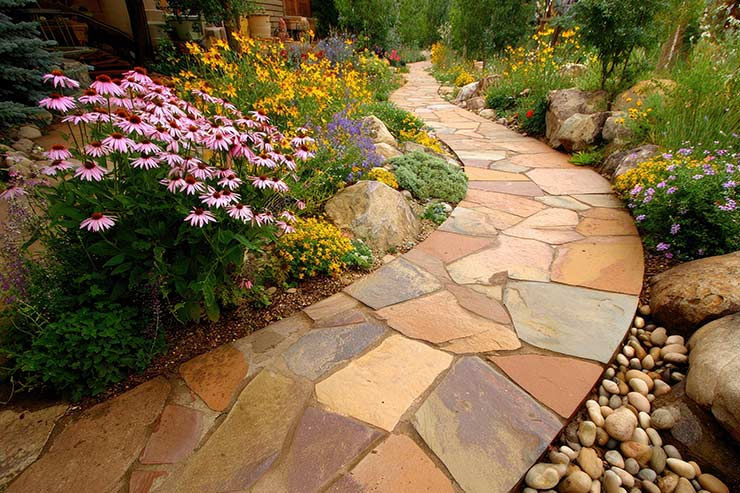
How Perennials Fit Into Professional Landscape Design
Perennials should not be chosen randomly. The best landscapes use plants as part of a complete design that considers color, height, bloom time, spacing, texture, and long-term growth. A well-planned landscape bed can provide visual interest from spring through fall instead of looking good for only a few weeks.
Professional landscape design also considers how plants interact with hardscape features such as patios, retaining walls, walkways, driveways, water features, and outdoor living areas. When perennials are placed correctly, they help soften hard surfaces, frame outdoor spaces, and create a more natural, finished appearance.
Watering New Perennial Plants
Newly planted perennials need consistent watering during the establishment period. Even hardy plants need time to develop roots in their new location. During the first several weeks after planting, the soil should stay evenly moist but not overly saturated.
Early morning watering is usually best because it gives moisture time to soak into the soil before the heat of the day. Avoid frequent shallow watering once plants begin to establish. Deeper watering encourages roots to grow downward, helping the plant become stronger and more resilient over time.
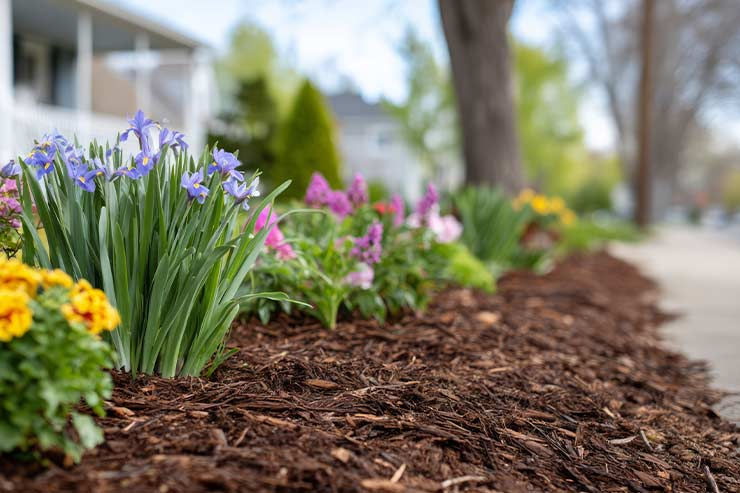
Mulch Helps Protect Perennial Beds
Mulch is one of the simplest ways to support healthy perennial beds. It helps retain soil moisture, reduce weed pressure, regulate soil temperature, and improve the overall appearance of the landscape. Mulch also gives planting beds a clean, finished look.
However, mulch should be applied correctly. Too much mulch around the base of the plant can hold excess moisture against the crown and create problems. A clean, even mulch layer around the bed helps protect plants without smothering them.
Common Perennial Landscaping Mistakes to Avoid
One common mistake is planting perennials too close together. While small plants may look spaced out at first, many perennials expand as they mature. Proper spacing helps reduce overcrowding, improves airflow, and supports healthier long-term growth.
Another mistake is ignoring drainage. Even strong perennial plants can struggle if water collects around their roots. If your yard has low areas, compacted soil, runoff issues, or poor grading, drainage improvements may be needed before planting.

Professional Landscaping Services in Southwest Wisconsin
Midwest Landscaping, Inc. provides professional landscaping services for homes, yards, commercial properties, churches, parks, and specialty outdoor projects throughout Southwest Wisconsin. Our team can help with landscape beds, sod and seeding, patios and walkways, retaining walls, drainage and irrigation, grading and excavation, outdoor lighting, water features, and complete outdoor design solutions.
From our headquarters in Cashton, WI, we proudly serve communities throughout the region, including La Crosse, Onalaska, Sparta, Tomah, West Salem, Viroqua, Westby, Holmen, Coon Valley, Chaseburg, Norwalk, Ontario, Readstown, and surrounding areas.
Ready to Improve Your Landscape?
The right perennials can bring lasting color, natural beauty, and long-term value to your property. Whether you want to refresh your landscape beds, improve curb appeal, add pollinator-friendly plantings, or plan a complete outdoor transformation, Midwest Landscaping, Inc. can help you choose landscaping solutions built for your property and the Southwest Wisconsin climate.
If you have questions about landscape design, planting, drainage, or outdoor improvements, contact Midwest Landscaping, Inc. to start planning your next project.
Best Perennials for Landscaping FAQs
What perennials grow best in Southwest Wisconsin?
Some of the best perennials for Southwest Wisconsin include Black-Eyed Susans, coneflowers, daylilies, hostas, sedum, bee balm, salvia, and ornamental grasses. The best choice depends on sunlight, soil conditions, drainage, and the overall landscape design.
Are perennials better than annuals for landscaping?
Perennials are often better for long-term landscaping because they return year after year when properly selected and cared for. Annuals can still be useful for seasonal color, but perennials provide lasting structure and value.
What perennials attract pollinators in Wisconsin?
Black-Eyed Susans, coneflowers, bee balm, salvia, and native-style flowering plants are good options for attracting bees, butterflies, and other beneficial pollinators in Wisconsin landscapes.
How often should perennials be watered after planting?
Newly planted perennials should be watered consistently during the establishment period. Keep the soil evenly moist, especially during the first several weeks, while avoiding standing water or overly saturated soil.
When should perennials be planted in Wisconsin?
Spring and early fall are generally good times to plant perennials in Wisconsin. These seasons give plants time to establish roots before the stress of summer heat or winter cold.
If you have any further questions or concerns, you can call or email our team any time Monday-Saturday. Email us at Service@MWLandscapingInc.com or call (608) 632-0909.


